What To Do If The Country You Travel To Suddenly Has War
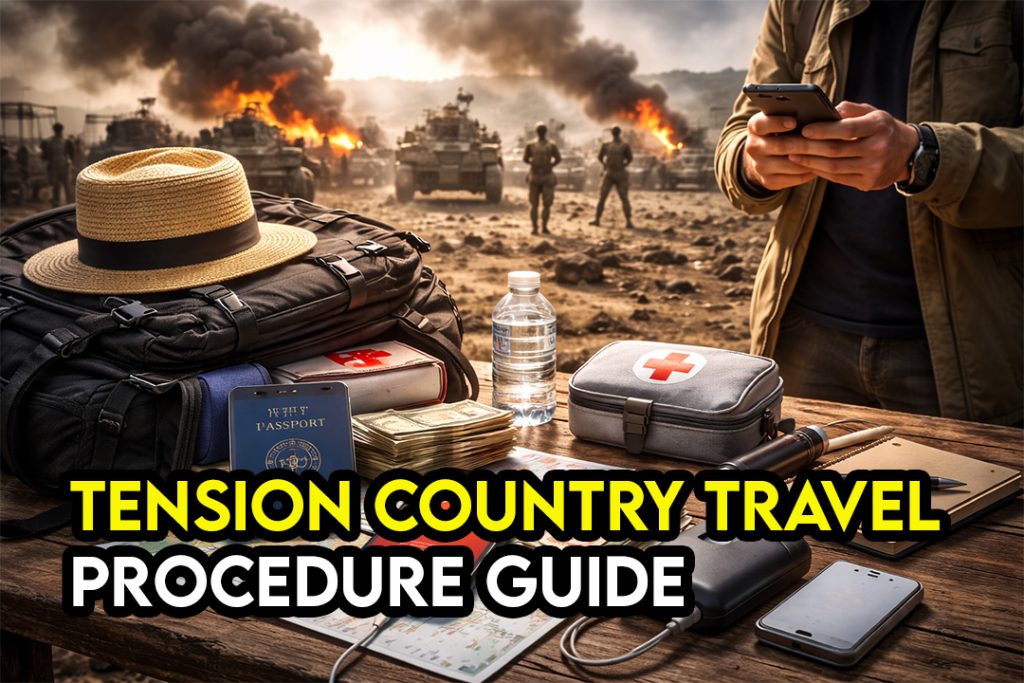
Traveling abroad is an exciting experience. Exploring new cultures, tasting different foods, and discovering beautiful destinations are the reasons millions of people travel every year.
However, unexpected situations can happen. In rare cases, travelers may find themselves in a country that suddenly faces war, political conflict, or military escalation. When this happens, safety becomes the most important priority.
If you ever find yourself traveling in a destination where conflict suddenly breaks out, knowing what to do during a travel emergency can make a critical difference.
This guide explains the most important steps travelers should take if the country they are visiting experiences war or armed conflict.
1. Stay Calm and Avoid Panic
The first and most important step is to remain calm. Panic can lead to poor decisions and unnecessary risks.
Wars and conflicts do not always affect the entire country immediately. Many regions may remain safe while governments and international organizations organize evacuation or security measures.
Instead of reacting emotionally, focus on gathering reliable information and planning your next move carefully.
Staying calm helps you make better decisions and reduces the chances of putting yourself in dangerous situations.
2. Monitor Reliable News and Official Updates
During any crisis, information is crucial. Make sure you follow trusted sources such as:
- International news agencies
- Your country’s embassy website
- Official government travel advisory pages
- Local authorities announcements
Avoid relying on social media rumors because misinformation spreads quickly during crises.
Official travel advisories usually provide instructions such as:
- Safe zones
- Areas to avoid
- Evacuation plans
- Emergency contact numbers
Having accurate information allows you to respond quickly and safely.
3. Contact Your Embassy Immediately
One of the most important steps during a conflict abroad is contacting your home country’s embassy or consulate.
Embassies play a critical role during emergencies. They may provide assistance such as:
- Emergency travel documents
- Evacuation coordination
- Security updates
- Communication with family members
If possible, register your presence with the embassy. Many governments have systems that allow travelers to report their location during emergencies.
This helps authorities know where their citizens are and provide help when necessary.
4. Avoid Conflict Zones and Military Areas
If war or armed conflict begins, it is extremely important to avoid areas where fighting may occur.
These locations often include:
- Government buildings
- Military bases
- Police stations
- Public demonstrations
- Strategic infrastructure
Even peaceful protests can become dangerous during unstable situations.
Tourists should stay away from crowds and avoid unnecessary travel around the city.
5. Stay in Secure Accommodation
If it is not safe to leave the country immediately, the best option may be to stay inside a secure location.
Choose accommodation that provides good security such as:
- International hotels
- Recognized resorts
- Secure apartment buildings
Hotels often receive security updates faster and may provide guidance for guests during emergencies.
Some hotels also cooperate with embassies and international organizations during evacuations.
6. Prepare Emergency Essentials
When facing a crisis abroad, having essential supplies is very important.
Travelers should prepare a small emergency kit including:
- Passport and travel documents
- Cash in local currency
- Portable phone charger
- Basic medicine
- Water and snacks
- Emergency contact numbers
Keep these items ready in case you need to leave quickly.
7. Stay Connected With Family
Your family and friends will likely be worried if they hear about conflict in the country you are visiting.
Make sure you communicate regularly and inform them about:
- Your location
- Your safety status
- Your evacuation plans
Sharing your location using smartphone apps can also help your family monitor your safety.
This communication reduces panic and ensures someone knows where you are during the crisis.

Buy eSIMs for international travel – Airalo
Find travel eSIMs for iPhone, iPad, and Android devices in over 200 destinations. Purchase data for countries, regions, or global connection.
8. Follow Evacuation Instructions
If the situation becomes dangerous, governments may organize evacuation flights or transportation for citizens.
Follow instructions from:
- Your embassy
- Local authorities
- Airport officials
Evacuations can happen quickly, so be ready to move when necessary.
Always bring your passport and essential belongings when leaving.
9. Avoid Night Travel
During unstable situations, security conditions can become unpredictable at night.
Checkpoints, curfews, and reduced visibility can increase risk.
Unless necessary or instructed by authorities, avoid traveling during nighttime.
Remaining indoors after dark may be the safest choice in many situations.
10. Consider Leaving the Country Early
If flights and borders remain open, leaving the country early may be the safest option.
Many experienced travelers recommend departing before the situation worsens.
Airlines may cancel flights once the conflict escalates, making evacuation more difficult.
Booking an earlier flight can help you avoid travel disruptions.
How To Prepare Before Traveling Abroad
While wars are rare in most travel destinations, preparation is always wise.
Before traveling internationally, consider these safety steps:
- Check government travel advisories
- Register with your embassy if possible
- Purchase travel insurance
- Research local emergency numbers
- Keep digital copies of your passport
Preparation ensures that you are ready for unexpected situations.

Trip.com Travel PA – Oversea Travel Insurance
It includes medical and related expenses (including COVID-19), daily hospital cash allowance, 24-hour worldwide emergency assistance hotline, personal accident coverage, baggage and personal belongings, travel and baggage delays, trip cancellation and interruption, and others..
Communication with Official Priorities
Traveling is one of life’s most rewarding experiences, but unexpected global events can sometimes create dangerous situations.
If the country you are visiting suddenly experiences war or armed conflict, the most important priorities are safety, communication, and following official instructions.
Stay calm, contact your embassy, monitor reliable news sources, and avoid dangerous areas.
With the right knowledge and preparation, travelers can navigate difficult situations and return home safely.
Remember that while such scenarios are rare, being informed and prepared is always the best way to travel responsibly.
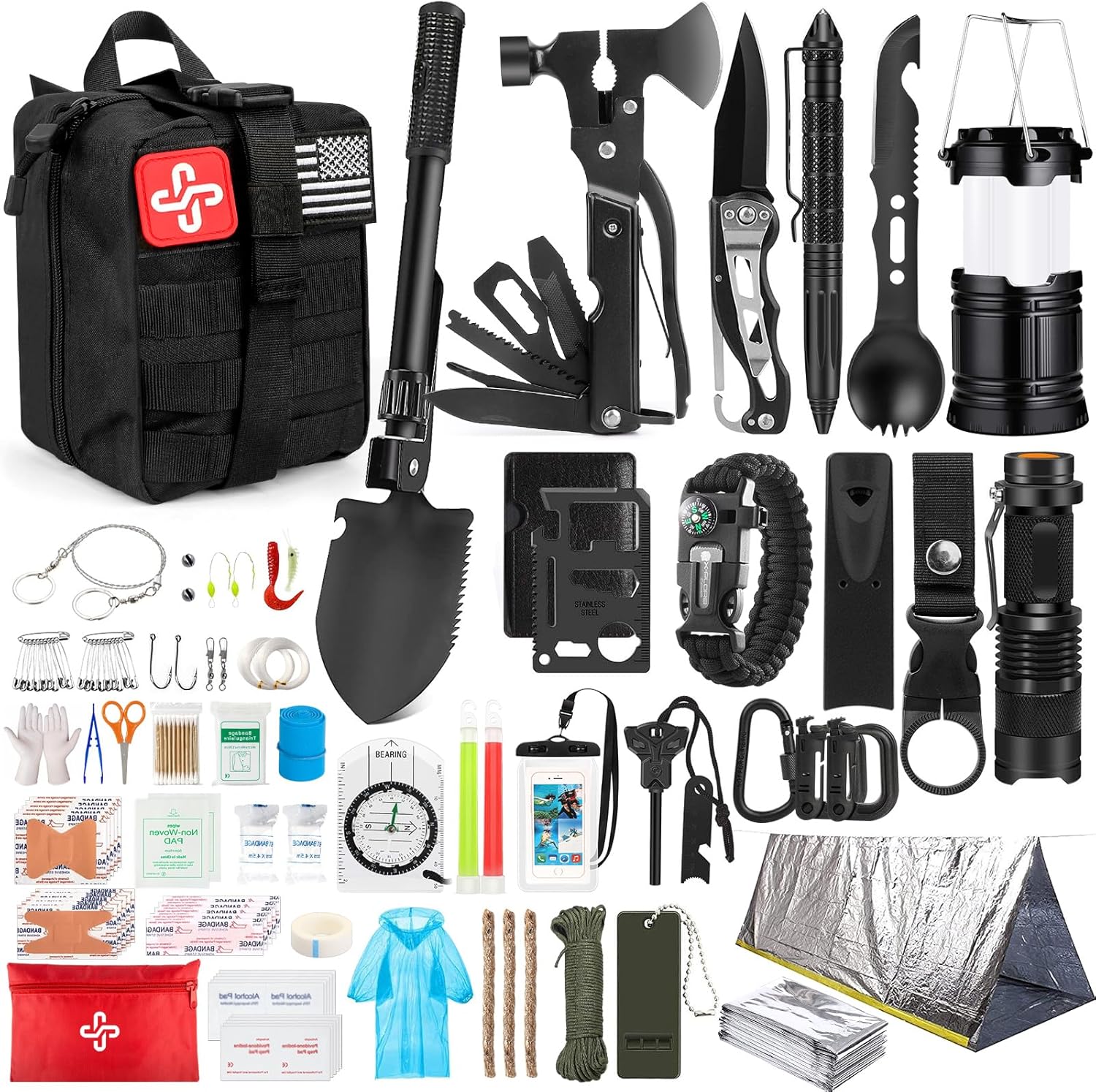
Survival Kit, 250Pcs Survival Gear First Aid Kit
Molle System Compatible Bag and Emergency Tent, Emergency Kit for Earthquake, Outdoor Adventure.