Replacement Travel Document (DGP) & Restricted Travel Document (DPT): Complete Malaysian Travel Guide 2026

Confused about Dokumen Gantian Perjalanan (DGP) and Dokumen Perjalanan Terhad (DPT)? You’re not alone. These special travel documents issued by the Malaysian Immigration Department are often misunderstood — especially by travellers moving between Peninsular Malaysia and Sabah/Sarawak, or Malaysians who lose a passport abroad. This clear, practical guide explains what each document is, who needs it, how to apply, validity, fees, and the most important do’s & don’ts in 2026.
Quick overview — What are DGP and DPT?
Dokumen Gantian Perjalanan (DGP) is a temporary one-way travel document issued mostly to Malaysian citizens who have lost or had their passport damaged while abroad and need a way to return to Malaysia.
Dokumen Perjalanan Terhad (DPT)
Who needs which document?
| Scenario | Document | Notes |
|---|---|---|
| Lost/damaged passport while overseas and need to return to Malaysia | DGP | Single-journey document; valid only to return home. Apply at nearest Malaysian mission/embassy. |
| Need a limited-use travel document for specific country/region (e.g., Brunei) | DPT (specific variant) | Usually valid only for the named country/route. Cheaper/limited alternative to passport. |
| Longer-term travel / internal movement to Sabah & Sarawak where normal passport rules differ | DPT (restricted travel document) | Used in some cases for long stays or specific permit needs; validity varies (often multi-year). |
How to apply — step by step
Applying for Dokumen Gantian Perjalanan (DGP)
- Contact the nearest Malaysian embassy / high commission immediately after you lose your passport.
- Provide identity proof (copy of MyKad, passport bio page if available, proof of Malaysian citizenship) and police report if a passport was stolen.
- Fill out the embassy’s emergency travel document form — usually called an application for DGP or temporary travel document.
- Pay the prescribed handling fee (fees vary by mission — confirm locally). In many cases the DGP is low-cost or free, but you must check the embassy’s rules.
- Receive the DGP (single-use), which permits you to return to Malaysia. On arrival, follow domestic immigration requirements and report to the Malaysian Immigration Department if required.
Applying for Dokumen Perjalanan Terhad (DPT)
- Determine the exact DPT variant you need (e.g., DPT for Brunei vs DPT for restricted internal use).
- Visit a local Immigration office (if in Malaysia) or contact an embassy for overseas applications.
- Complete the DPT application form and submit required documents (ID copies, photos, supporting letters where applicable).
- Pay the application fee (nominal; confirm with Immigration). Processing times depend on the type of DPT.
- Collect the DPT and check endorsements (e.g., validity, permitted destinations) before travel.
Validity, renewals & fees — what to expect (2026)
- DGP: Typically valid only for a single journey back to Malaysia. Short validity window (days to weeks).
- DPT: Some DPTs are valid for 1 year; other restricted travel documents can be valid up to 5 years depending on purpose. Renewal rules vary; always verify with Jabatan Imigresen.
- Fees: Fees vary by document type and location of application. Embassies may charge service fees for emergency documents. Always confirm the fee schedule before applying.
Do’s & Don’ts — practical tips for travellers
Do
- Report lost/stolen passports immediately to local police and your nearest Malaysian mission.
- Keep digital and printed copies of your passport bio page, MyKad, and emergency contacts when you travel.
- Confirm the exact document name and required supporting papers with the Malaysian embassy or Jabatan Imigresen before applying.
- Check visa requirements for your onward stop — a DGP usually only allows return to Malaysia, not travel via third countries.
- If travelling to Sabah & Sarawak, ensure you have the correct internal travel endorsements where applicable (Section 66 issues may apply to certain cases).
Don’t
- Don’t assume a DGP allows you to travel internationally beyond returning home.
- Don’t discard your DGP or DPT — treat them like an actual passport while they are valid.
- Don’t wait until the last minute to contact authorities — processing can take time, especially in remote areas.
- Don’t rely only on verbal advice — get instructions in writing from the embassy or immigration office if possible.
Common FAQs
Q: Can a DGP be used to fly through another country on the way home?
A: Usually no — DGP is generally issued for a direct return to Malaysia. If transit visas are required, arrange them separately and confirm with the embassy.
Q: Is DPT the same as a passport?
A: No. DPT is a restricted document for specific use-cases; it does not replace a full international passport for general travel.
Replacement Procedures
DGP and DPT serve important but different roles — one is an emergency replacement to get you home, and the other is a limited travel document for specific, restricted uses. Always verify the latest procedures, fees and document names directly with Jabatan Imigresen Malaysia or your nearest Malaysian mission before travelling in 2026. When in doubt: keep copies of your identity documents, act quickly, and get official confirmation in writing.
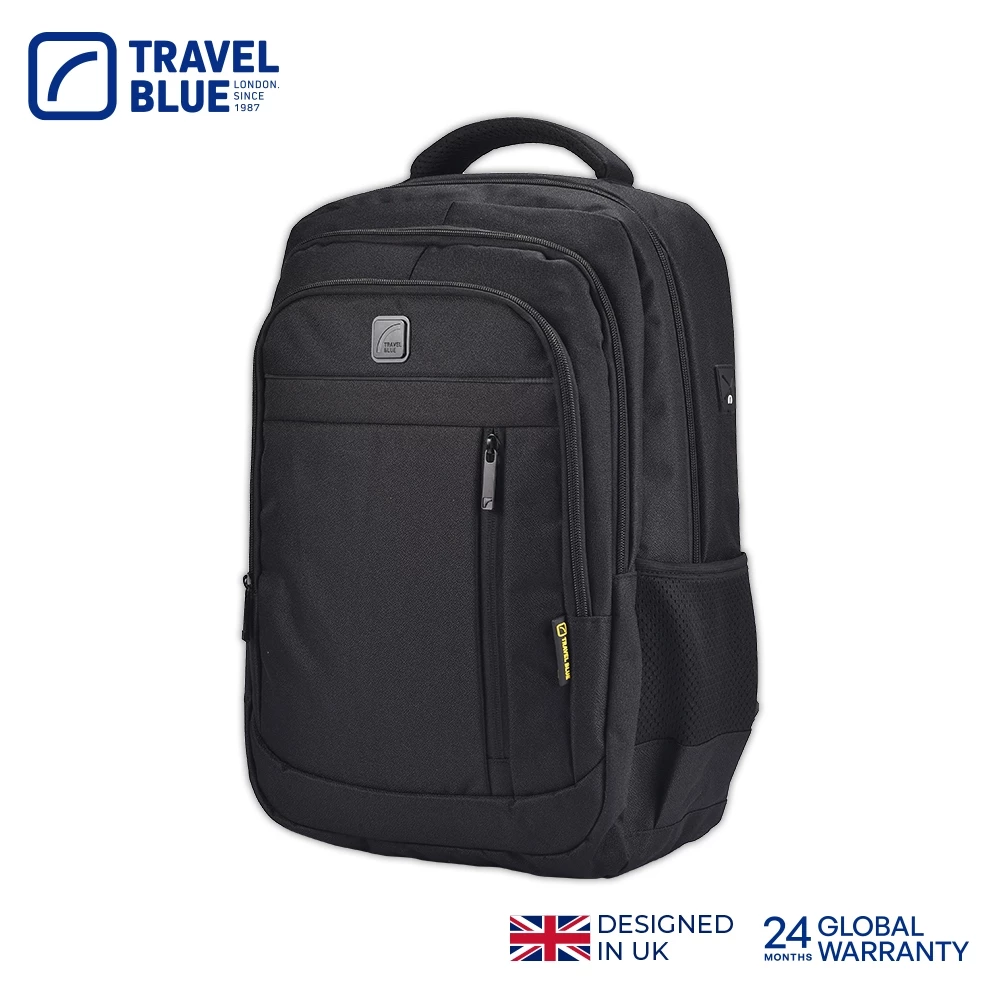
Travel Blue 28L VANGUARD
Ergonomic Design hat conforms to your body, ensuring a fatigue-free journey.